















How to choose your home fragrance: the 7 major olfactory families
The world of perfume seems quite mysterious to those who do not know its specific language. Olfactory families, top, heart, and base notes, scented accords, pyramids and olfactory facets—so many enigmas with enchanting accents. Take a deep breath and step behind the scenes of home fragrance... A quick overview of olfactory families.
What is an “olfactory family” in perfumery?
Fragrances, whether they are personal perfumes or home fragrances, are composed of a vast array of ingredients of plant, animal, or synthetic origin. Today, perfumers have access to over 3,000 ingredients to compose their creations. While every perfume has its own unique sillage, they can be classified according to their olfactory rendering. These different categories are what we call “olfactory families.”
An olfactory family is a category of perfumes sharing similar olfactory characteristics in the notes and accords that compose them. Olfactory families help identify, describe, and classify perfumes. For the consumer, understanding olfactory families can be useful for choosing a perfume that suits their preferences and lifestyle. It can also help identify perfumes similar to those one already enjoys.
According to the most frequently used classification today, there are 7 major olfactory families:
- The Hesperidic (Citrus) family
The characteristics of the 7 major olfactory families
In order to identify and classify the multitude of ingredients at their disposal, perfumers have determined 7 main olfactory families that now serve as a reference in the perfumery sector. Woody, floral, hesperidic, aromatic, oriental, chypre, and fougère—what are the ingredients that define each family?
The woody fragrance family
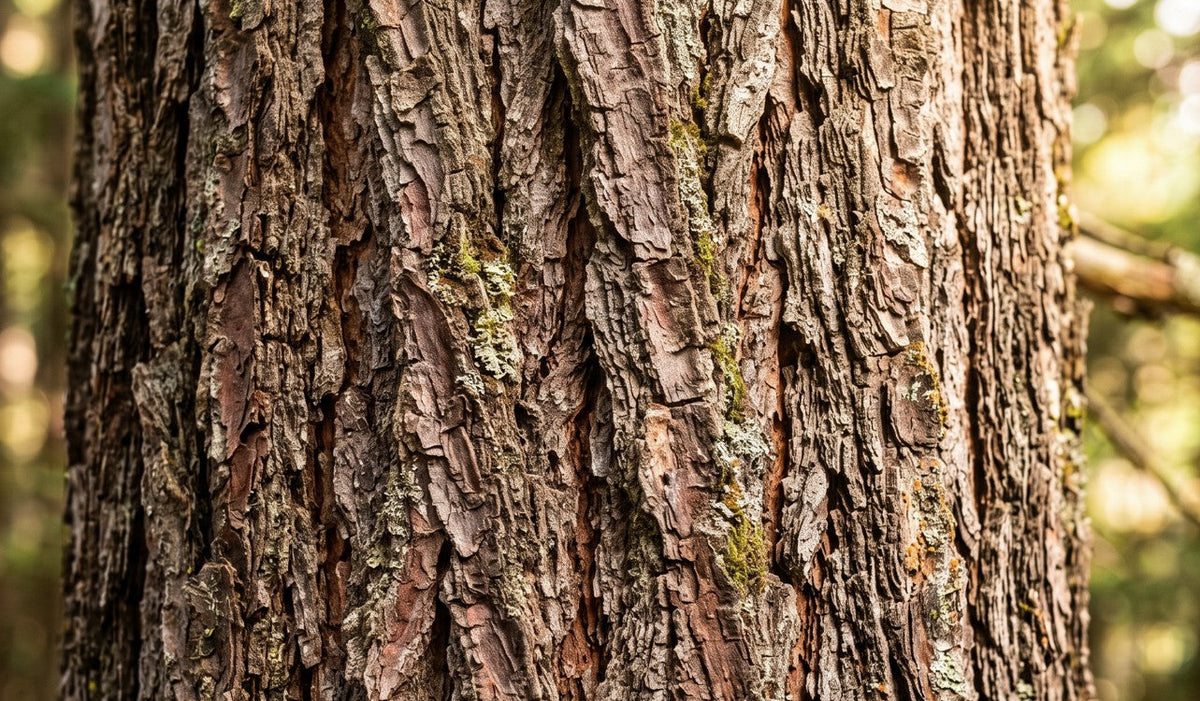
The woody fragrance family can be described as a rich and opulent family. It is characterized by woody scents that are more or less dry, damp, milky, smoky, or earthy, depending on the essences used. The dominant ingredients in this category are sandalwood, patchouli, cedar, and vetiver. Guaiac wood or oud wood are also found here. These woody essences, typical of masculine perfumery, often make up the base notes of perfumes. Indeed, acting as an excellent fixative, they provide longevity and body to the perfumes that contain them.
Estéban woody home fragrances
Among our woody fragrances, we notably find our limited edition Pin et Fleur de sel (Pine & Sea Salt) from the Indoor Gardens Universe, a marine woody fragrance where the freshness of sea spray mingles with the warm, woody notes of a pine forest. Or Bois de Cashmere et Ambre gris (Cashmere Wood & Ambergris), from our contemporary universe, a fragrance with warm woody notes and marine musky amber accords. Not to mention our legendary Cèdre (Cedar) fragrance, woody, fresh, and invigorating like a walk through a Canadian forest.
The floral fragrance family
The sweet and airy tones of a floral fragrance plunge us into the innocence of tender youth, the romantic freshness of first love—but that’s not all! They can also become very heady and carnal depending on the varieties of flowers used. The olfactory family of floral fragrances is characterized by floral notes, often associated with fruity or powdery notes. Composed of ingredients such as rose, jasmine, tuberose, iris, ylang-ylang, or freesia, it is a family currently very well-represented in feminine personal perfumery.
The Estéban floral home fragrance
Our new Santal & Fleur de coco (Sandalwood & Coconut Flower) collection, which you can find in our Contemporary Universe, is the very expression of a fruity floral fragrance. Its unique accords of coconut flower, delicate and fresh, bring a romantic and feminine ambiance, the velvety notes of sandalwood add an enveloping touch, while white musks infuse softness and sophistication.
The hesperidic (citrus) fragrance family
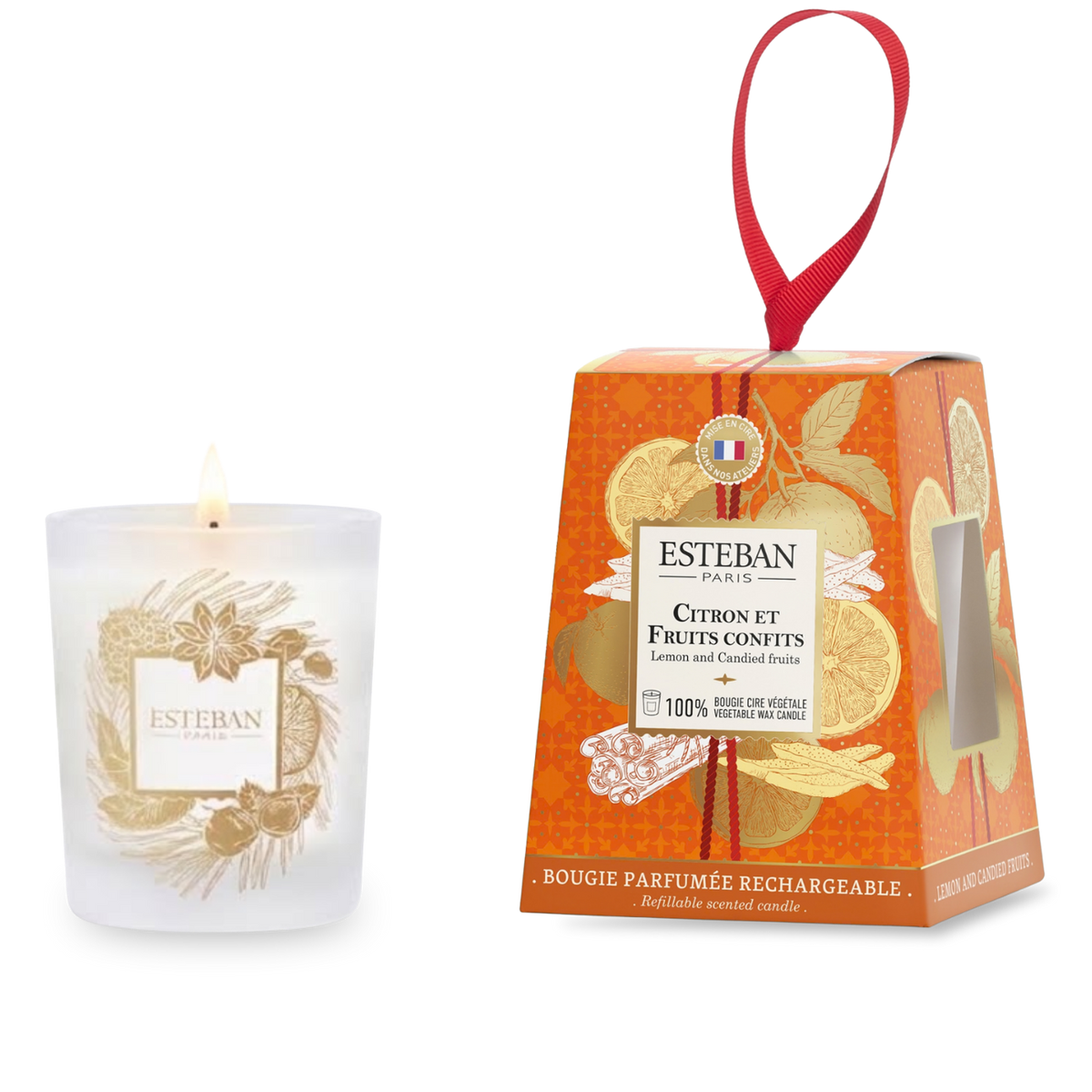
Sparkling and luminous, the effervescent blend of citrus fruits that makes up the hesperidic family makes it a very fresh and energizing group... Hesperidics bring together essential oils obtained from the zest of citrus fruits such as bergamot, lemon, grapefruit, mandarin, or sweet orange. A family with a light, fresh, and tonic sillage, particularly pleasant for everyday life. It is the family of (notably) the famous Eaux de Cologne that our ancestors would "splash" on throughout the day for a guaranteed shot of freshness.
Since the typical breath of hesperidics has little body, citrus fruits are often associated with fruity (even sweet: peach, apple, pear, red fruits), floral, chypre, or woody facets to ensure a certain durability for the perfume.
Estéban hesperidic olfactory families
Our home fragrance Citronnelle & Menthe (Citronella & Mint), from our Indoor Gardens Universe collection, is precisely part of this category. A fresh and hesperidic breath, where the aromatic freshness of mint is deliciously heightened by the sparkling sillage of citronella, a natural pleasure of a refreshing duo to savor summer and its evenings.
Estéban fruity olfactory families
Also discover all the power of the fruity facets of our Figue Noire (Black Fig) collections, with notes reminiscent of both the juicy flesh of the fruit and the leathery woody facets evocative of the Mediterranean tree; Pêche de Vigne (Vine Peach) and Rouge Cassis (Red Blackcurrant), where the indulgence of blackcurrant berries mingles with warm, amber accords for a deliciously rounded sillage.
The aromatic olfactory fragrance family
The fragrant effluvia of a vegetable garden in midsummer, the green and tender aroma of young shoots... the aromatic olfactory family is, as its name suggests, composed of herbs such as sage, thyme, rosemary, or lavender. This type of note is often placed in the top or heart notes of perfumes. The dynamic and powerful accents of aromatic fragrances make them perfumes with a masculine tendency. To temper them, these notes are often embellished with hesperidic notes, which are sparkling and light; woody ones, which are warmer and deeper; or even spicy ones, for more incandescence.
The Estéban aromatic home fragrance
Discover our new collection of fresh aromatic home fragrances, Lin & Petitgrain (Linen & Petitgrain), the duality between a linen fiber accord worked with essential oils of lavender, cypress, and vetiver, and the airy, zesty notes of Petitgrain essence, for a guaranteed sensory awakening.
The oriental olfactory fragrance family
The name of this family, which often brings together notes of vanilla, musk, amber, tobacco, spices, balsams, and precious woods, refers to the traditional scents of the Middle East. Sweet, warm, and suave inflections particularly characterize these oriental fragrances. Intense, mysterious, and captivating, oriental accords fit just as well in feminine perfumes as in masculine ones. In feminine sillages, they are often accompanied by amber facets, spicy or floral accords, while they are more commonly relayed by fresh aromatic notes in masculine perfumes.
The Estéban oriental home fragrance
Our classic collection Légendes d’Orient (Legends of the Orient) defines this olfactory family. Discover a typically oriental fragrance with spices in the top, a heart of flowers, and a trail of amber in the base. A creation with warm and sweet notes for a comfortable and sensual atmosphere at home.
The chypre fragrance family
Sumptuous materials, with intense, autumnal, and mysterious notes, combine in the chypre family. Chypre perfumes traditionally combine an oakmoss base (which defines this olfactory family) and a succession of notes that are sometimes fresh (bergamot, lemon, mandarin), sometimes intense (patchouli and labdanum in particular), sometimes floral (jasmine, rose).
Chypre perfumes are fragrances of character, sophisticated and elegant, with a particularly identifiable sillage. As such, they are often softened by accords that harmonize their composition, such as a fruity or floral breath.
Among the best-known chypre personal perfumes are the classics: Aromatics Elixir (Clinique), Mitsouko (Guerlain), and No. 19 (Chanel).
The fougère (fern) olfactory fragrance family
A complex, fresh, and vegetal fragrant sillage characterizes perfumes of the fougère family, the archetype of masculine perfume and the clean smell of shaving cream. The name of this family, derived from the perfume Fougère Royale by HOUBIGANT (1882), can be misleading because it is not a literal transcription of a fern, but a set of notes forming a complex accord. Lavender, oakmoss, vetiver, but also bergamot, geranium, or even tonka bean are part of the traditional ingredients of this accord. The category can be worked in different ways, sometimes amber, spicy, aromatic, or fruity. Often associated with masculine perfumes, some unisex and feminine perfumes also borrow its inimitable aromatic notes.