



Tropical fragrance: the magic of coconut in perfumery
At the heart of sunny days, an exotic essence rises, evocative of distant beaches and sea breezes: the coconut. Coconut fragrance holds a special place among tropical scents, caressing our senses with its creamy sweetness and sensual notes.
A symbol of warmth and lost paradise, it transports our minds to idyllic destinations. Let's delve together into the heart of this enchanting raw material, from its fascinating history to its multiple uses in perfumery and cosmetics, to discover why coconut never ceases to captivate us.

From the jungle to the oceans: the coconut tree's millennia-long epic
The multifaceted tree of life
The coconut palm, scientifically known as Cocos nucifera, is a fascinating plant with a rich and ancient history. Native to the tropical regions of Southeast Asia and the Pacific Islands, the coconut palm has been an essential element of many cultures for millennia.
The coconut palm is often called the "tree of life" in many cultures due to its numerous uses. Thus, since ancient times, tropical peoples such as Polynesians, Indians, and Malays have used coconut as a source of food, medicine, and materials.
Every part of the tree can be exploited: wood for construction, leaves for roofing and baskets, coconut pulp for food and drinks, as well as oil for cooking and personal care.
The coconut tree: from the jungle to the oceans
During the age of great discoveries, Portuguese and Spanish navigators played a key role in spreading the coconut palm across the oceans, thereby introducing coconut to new islands and coastal regions. Its distribution then broadened through Arab and European trade.
Coconut in world cultures
Coconut cultivation is intimately linked to the traditions and practices of tropical societies. In many countries, such as India, the Philippines, Indonesia, and the Pacific islands, the coconut palm is revered and considered sacred. For example, in India, coconut is often used in religious rituals and wedding ceremonies, symbolizing purity and prosperity. The coconut flower is also an important symbol of happiness and prosperity.
The symbols associated with the coconut palm and coconut are numerous and varied. In Polynesian culture, the coconut palm is considered a gift from the gods, offering everything a community needs to survive. In Thailand, coconut is a symbol of protection and is often planted near homes to ward off evil spirits. In Caribbean folklore, coconut is linked to fertility and abundance.
Coconut in perfumery and cosmetics

The cultivation of coconut fragrance
Coconut cultivation requires a tropical climate with consistent temperature, humidity, and well-drained soil. Coconut palms thrive in coastal regions, where they can reach impressive heights of 30 meters. They begin producing fruit after 6 to 10 years and can produce coconuts for decades. Coconuts are generally harvested when the fruits are ripe, which is indicated by a change in husk color and a sloshing sound of liquid inside.
The natural extraction of coconut oil
Extracting fragrant oils from coconut is a delicate and meticulous process. The most prized raw material is coconut oil, obtained by pressing the white flesh of the fruit. There are several methods for extracting this oil, the most common being cold pressing and hot extraction.
The oil extracted from coconut is called copra. It is completely natural and is one of the two necessary ingredients for making monoi.
Coconut in perfumery
In perfumery, coconut fragrance is developed from a molecule, aldehyde C18 (also called coco aldehyde). It exists naturally in a tropical plant (the Eschweilera coriacea flower) and can recently be extracted from this source. However, synthetic aldehyde C18 is the most commonly used in perfumery today.
Natural Beauty: The Secrets of Coconut in Perfumery and Cosmetics

Thanks to its captivating notes and beneficial properties, coconut remains an inexhaustible source of inspiration for perfumers worldwide.
Coconut fragrance and its association with olfactory families
In perfumery, coconut is prized for its fruity, creamy, and gourmet notes. It adds a soft and comforting dimension to compositions, imparting an exotic and sunny touch. Used in heart notes, it provides a fruity sensation, while in base notes, it brings warmth and roundness. Versatile, coconut harmonizes perfectly with many other components, amplifying the sillage and improving the performance of fragrances.
Due to its many facets, it subtly integrates into various olfactory families. In floral and summery perfumes, it adds a sweet softness; in fruity fragrances, it creates exotic accords; and in oriental perfumes, it brings a unique touch of freshness thanks to its coconut water accord. Often associated with notes of vanilla, tiare, or ylang-ylang, the coconut facet evokes tropical landscapes and sunny holiday memories. This ability to harmonize with other notes makes it a precious and versatile ingredient, ideal for creating scents reminiscent of paradisiacal beaches and exotic getaways.
Use of coconut in cosmetics
Coconut oil is particularly prized for its richness in fatty acids and antioxidants. Used in moisturizing creams and hair masks, it is ideal for skin and hair care. Thanks to its antimicrobial and antifungal properties, coconut oil is excellent for acne-prone skin. It hydrates, maintains elasticity, and is an effective natural makeup remover. Used on hair, coconut oil nourishes, repairs, and reduces protein loss. It treats dandruff and prevents split ends, thereby improving shine and hair health.
Coconut flower in Esteban Coconut home fragrances

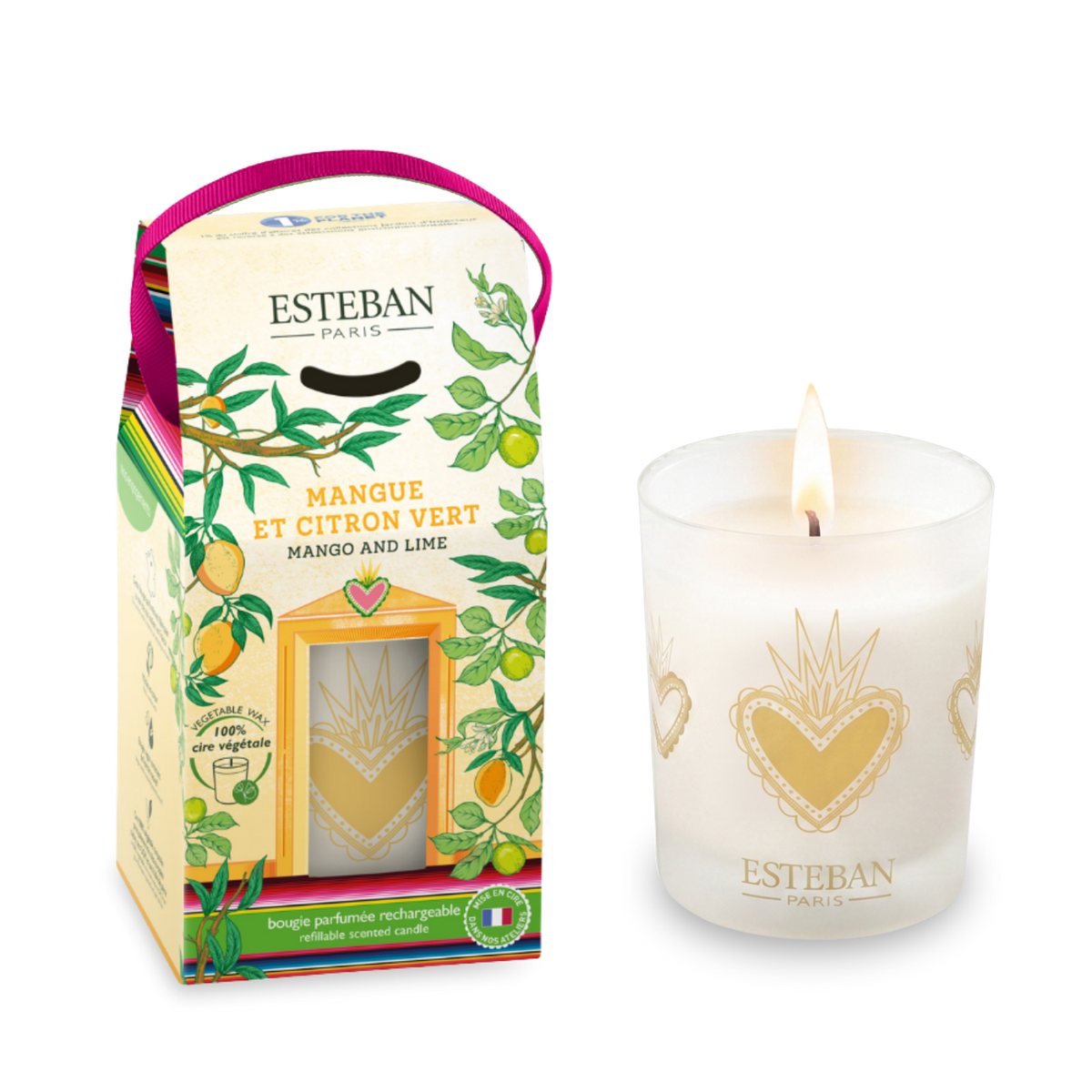
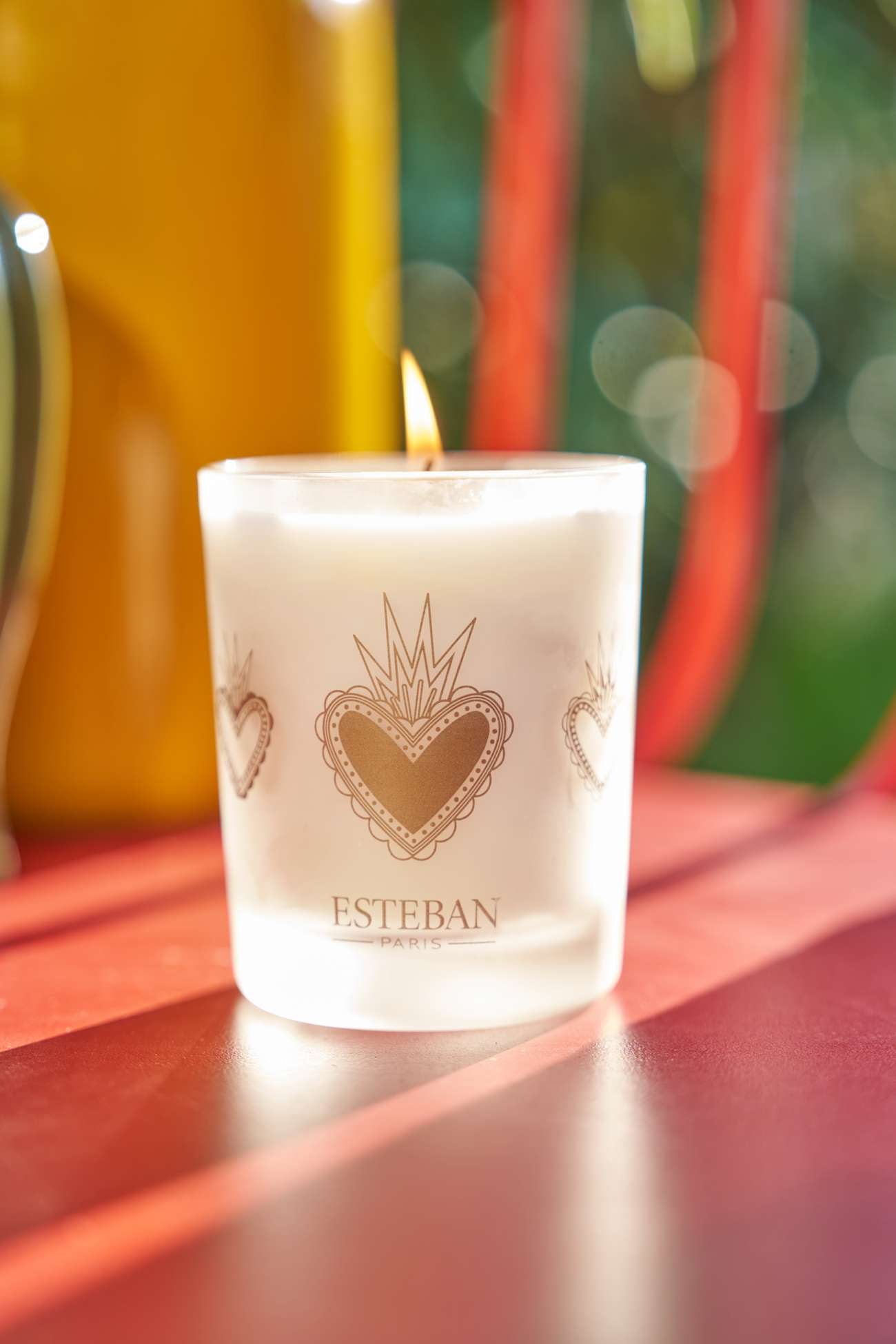
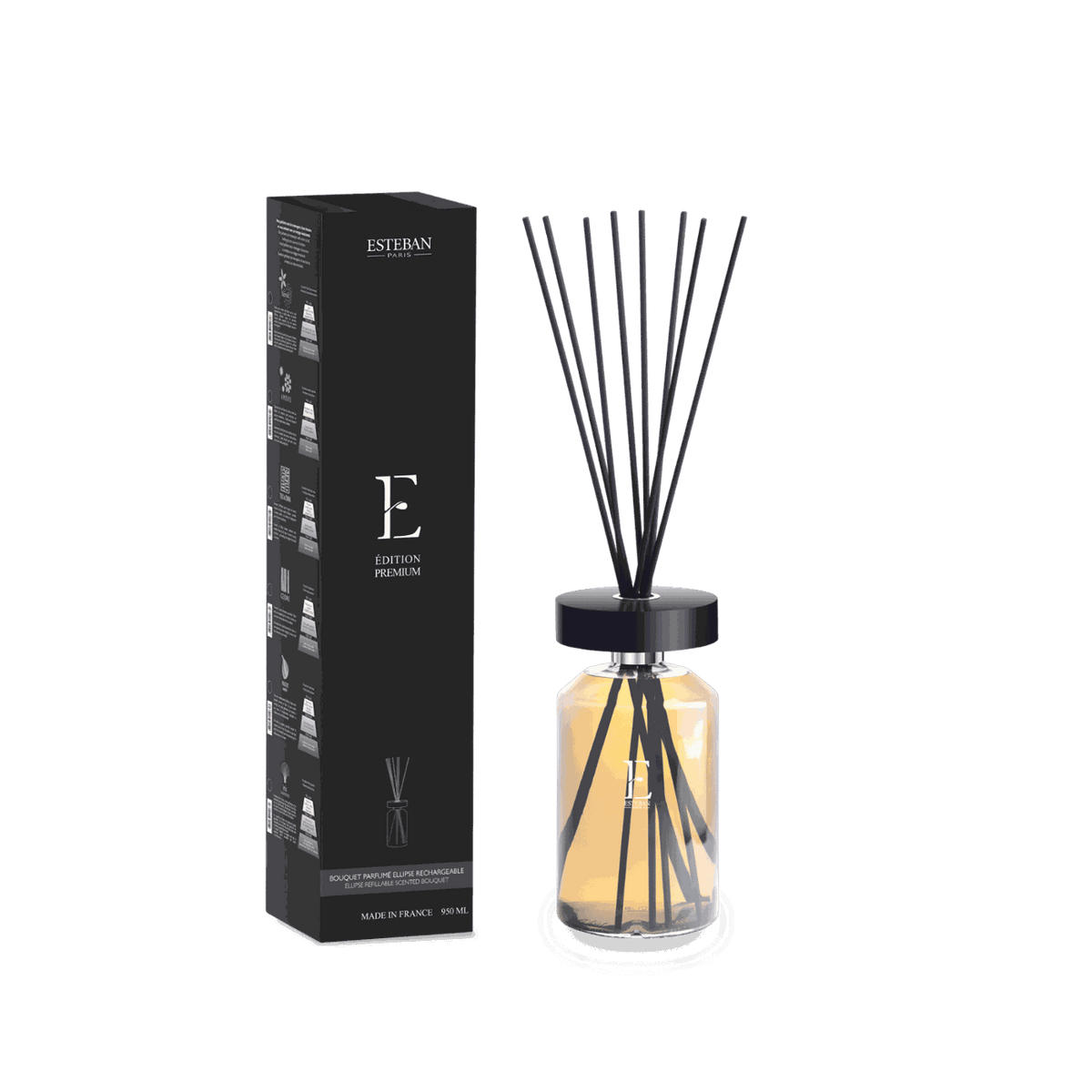
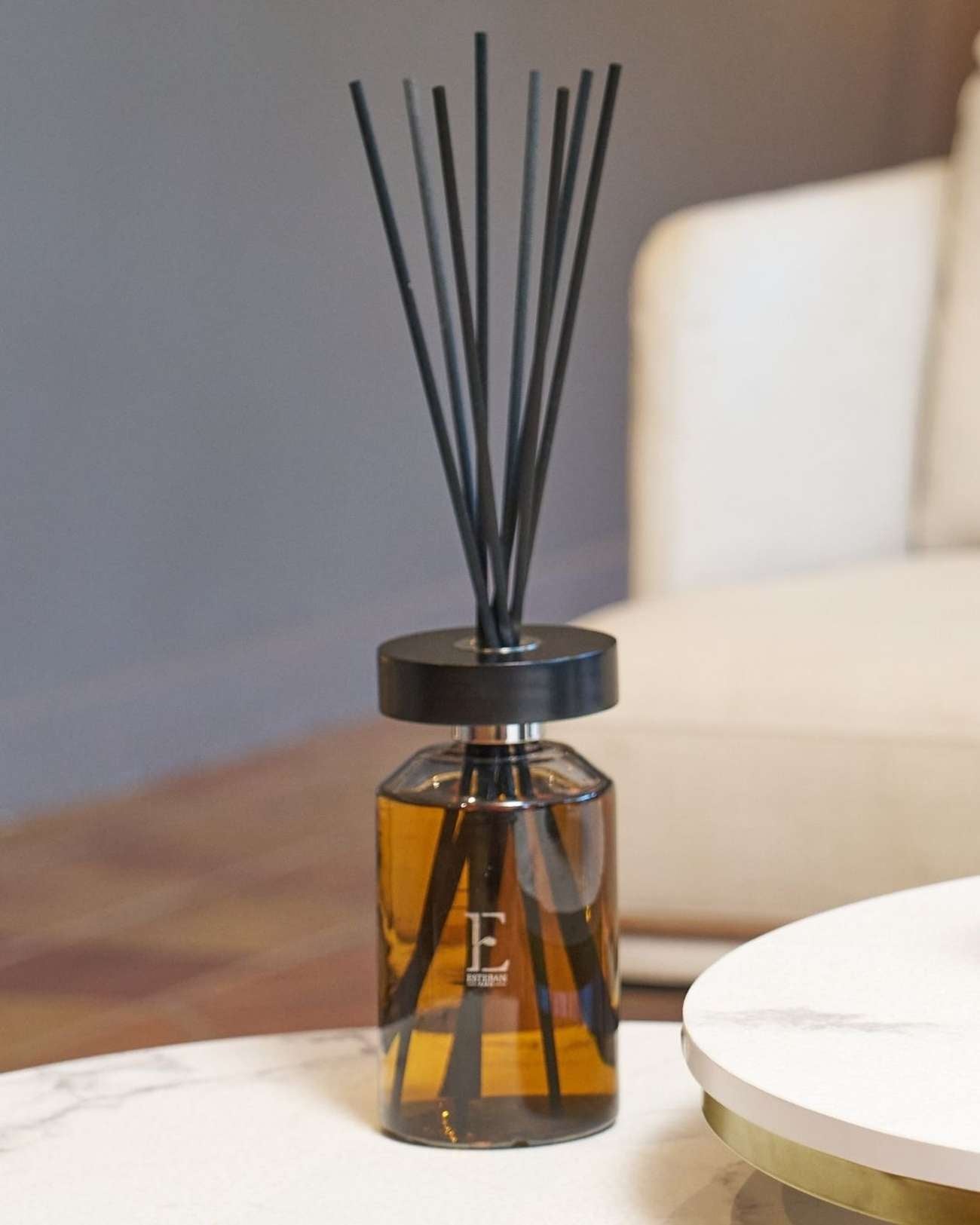
Discover the tropical fragrance Sandalwood & Coconut Flower, where the unique blend of delicate and fresh coconut flower and the velvety notes of sandalwood and white musk come together in a collection of sprays, scented bouquets, and scented candles with coconut.
Treat yourself to a beneficial break on the paradisiacal beaches of the Indian Ocean with our Ylang Ylang fragrances, blending fresh citrus and marine accords with the voluptuousness of ylang-ylang, tuberose, and jasmine flowers. Coconut appears in the top note of this solar floral fragrance, bringing an exotic fruity facet that combines with the comforting solar background.
Through the Aloe Flower collection, breathe in the purity of aloe expressed through fresh and aquatic floral notes, subtly softened by coconut water, for a moment of well-being.
Some references:
- https://www.sylvaine-delacourte.com/fr/blog/notes-solaires
- https://www.olfastory.com/matiere/noix-de-coco
- https://mag.bynez.com/dossiers/tendances-parfums-les-notes-dans-lair-du-temps/fruits-a-coque-et-cereales-nouvelles-gourmandises/
- https://www.bonparfumeur.com/fr/blogs/journal/coconut-in-perfumery
- https://www.lesfleursdugolfe.com/fragrance-noix-de-coco-en-parfumerie/
- https://yogaesoteric.net/fr/symbole-de-la-noix-de-coco-en-inde/
- https://www.lesmaisonsdesenfantsdelacotedopale.com/lettre-de-shila-limportance-de-la-noix-de-coco-pour-la-fete