






How to light incense?
If there is one universal ritual that dates back to ancient times, it is surely that of incense. Whether in a spiritual or psychic context, or simply for the pleasure of the senses, this scented ritual (for yes, it is indeed a ritual) always creates a special atmosphere. Lighting scented incense is more than just burning something: it is an art that deserves to be mastered to fully enjoy its benefits.
Understanding scented incense and its various forms
Incense comes in several forms, each offering a unique sensory experience. Whether you choose sticks, cones, powder, or crystals, the method of use differs slightly. The choice of incense depends above all on your olfactory preferences and the atmosphere you are looking to create.
Depending on the customs and regions from which it originates, the composition and form of incense vary, but we can distinguish three main families:
Crystal (grain) or powder incense
Incense powder is simply collected by grinding crystals. To light this type of incense, use a censer (or heat-resistant dish), tongs, and an activated charcoal disc designed for this practice. The activated charcoal comes in the form of a hollow tablet (do not confuse it with barbecue charcoal, which can be toxic for this type of practice). Place soil, sand, or ashes at the bottom of the censer (or your dish) to reduce heat propagation to the base and prevent it from burning you. Then, make the charcoal crackle by holding it with the tongs and keeping it over the flame of a lighter, candle, or match. Place your charcoal on the sand or the grate of your censer. Finally, place one or more types of grain incense in the hollow part of the charcoal and let the whole thing smoke.
Your crystal will burn faster than the charcoal, so feel free to add more powder if you wish to continue the burn. To stop the diffusion, you can run your charcoal under water, but be careful of burns. Please note, however, that incense charcoal is for single use; do not reuse it! At the end of your use, it may be necessary to air out your room because charcoal tends to produce a lot of smoke. Therefore, be sure to deactivate your smoke detector before any use.
Cones and sticks
Cones and sticks are the most widespread methods of diffusion because they are very easy to use.
- ➤ For incense cones, you just need to light the tip with a lighter, candle, or other flame to see smoke with exquisite scents escape. Remember to place it on an incense burner or on a dish filled with sand or soil to protect your surfaces.
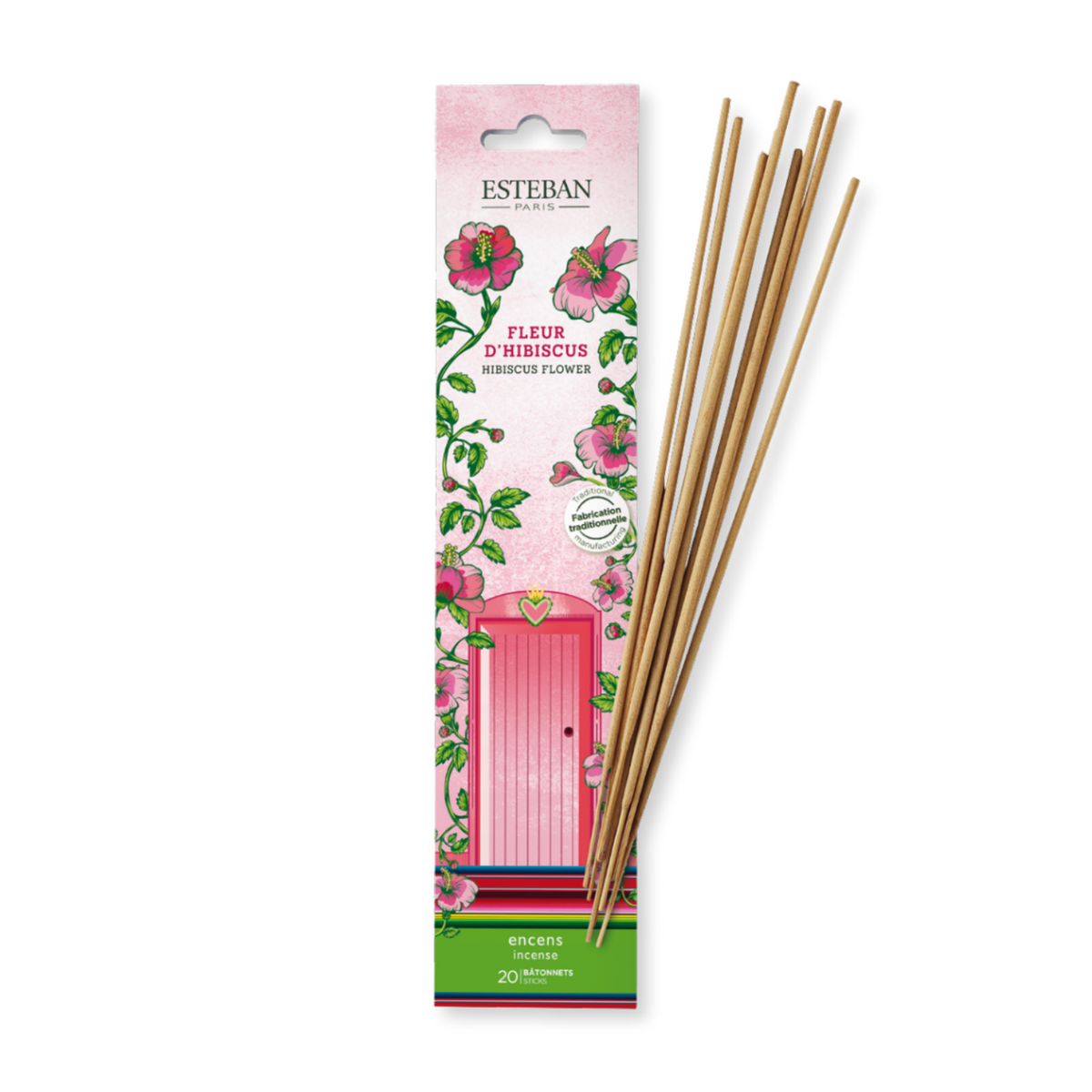
- ➤ Incense sticks are often preferred over cones due to their aesthetic appeal, but they are just as easy to use. Although the bamboo core of incense sticks is odorless, some users admit to preferring the use of cones for a "purer" diffusion.
To burn an incense stick, you will need an incense holder on which to insert the stem by the bamboo end. It is also possible to fill a small pot with sand, rice, or flour to hold the stick more or less vertically. To trigger the fumigation, only one action is required: light the other end of the stick, then, after a few seconds, blow on the flame to extinguish it. The smoke then emitted is lighter than that of cones and is also ideal for scenting a room in your home.
Backflow incense
Backflow incense is a system that directs smoke downwards. To do this, you must use backflow cones and sticks. These are similar to those previously mentioned but are hollow inside to allow the smoke to pass through a channel, where it cools and settles rather than diffusing into the air. This type of incense is aesthetic but much less effective at scenting your rooms.
To light backflow cones and sticks, the procedure is the same as mentioned above. However, it is preferable to choose a backflow incense holder to watch the smoke unfurl.
Choosing your scented incense to burn
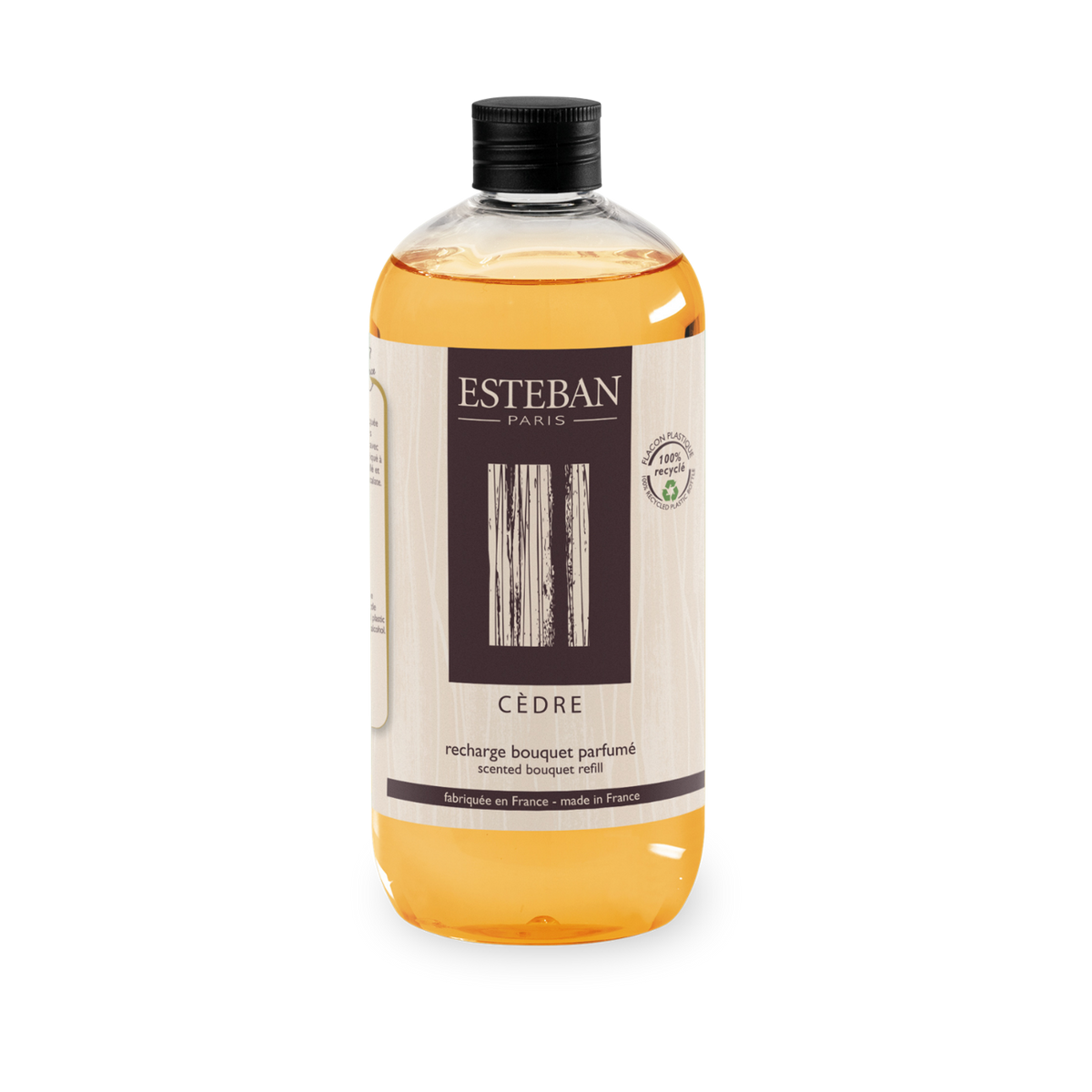
The quality of incense directly influences its olfactory output and its benefits. At Estéban Paris Parfums, incense sticks are made from natural ingredients, without chemical glues or dyes. Each scent is developed to offer an authentic and refined experience. Among the flagship fragrances are:
- ❀ Cedar: with woody and comforting notes
- ❀ Black Fig: a fragrance that is both fruity and leathery
- ❀ Neroli: a floral and luminous touch
Why use scented incense?
Incense is much more than just a room fragrance. It plays an essential role in many traditions and wellness practices. Used since ancient times for its purifying properties, it remains a precious ally today for creating a soothing and harmonious atmosphere. Depending on the chosen fragrance, incense can promote relaxation, stimulate concentration, or even purify the energies of a space.
In meditation or yoga rituals, incense accompanies sessions by creating a setting conducive to introspection. Its delicate scent helps calm the mind and foster mindfulness. It is also appreciated for masking unwanted odors and adding a warm touch to an interior.
Precautions and tips for optimal use
Incense, although pleasant and beneficial, should be used with caution. Always place it on a heat-resistant surface and avoid leaving it to burn unattended. It is also advisable to air out the room after use, especially when using charcoal, which can release denser smoke. Finally, be sure to store your incense in a dry place to preserve the richness of its aromas.
Most of the time, the simple act of lighting an incense stick and watching the smoke waver is a source of profound calm for the mind. After a day of work, during your yoga or meditation sessions, or simply when you feel the need, any moment is a good time to treat yourself to a 30 to 60-minute break of beneficial calm.
Indian incense or Japanese incense: what are the differences?
Estéban Indian incense and Estéban Japanese incense are primarily distinguished by their olfactory intensity, their combustion method, and their usage.
Indian incense releases a more pronounced fragrance and more intense smoke, making them particularly suitable for large spaces. Made from bamboo cores coated with incense, their longer sticks offer a burn time of approximately 45 minutes, ideal for scenting a room for a long time.
Conversely, Japanese incense is renowned for the fineness, softness, and elegance of its fragrance. Designed using traditional Japanese techniques, they are composed of high-quality ingredients, without an exposed bamboo core, for a more subtle and controlled diffusion. Each stick burns in about 25 minutes, releasing a delicate trail, perfectly suited to small spaces or subdued atmospheres. Offered in sets of 40 sticks accompanied by their incense holder, they provide a complete and refined olfactory experience, available in 5 scents.
Whether you are looking for an intense and enveloping diffusion or a soft and discreet scented atmosphere, our Indian and Japanese incense meet different needs while sharing the same commitment to quality and olfactory pleasure.